
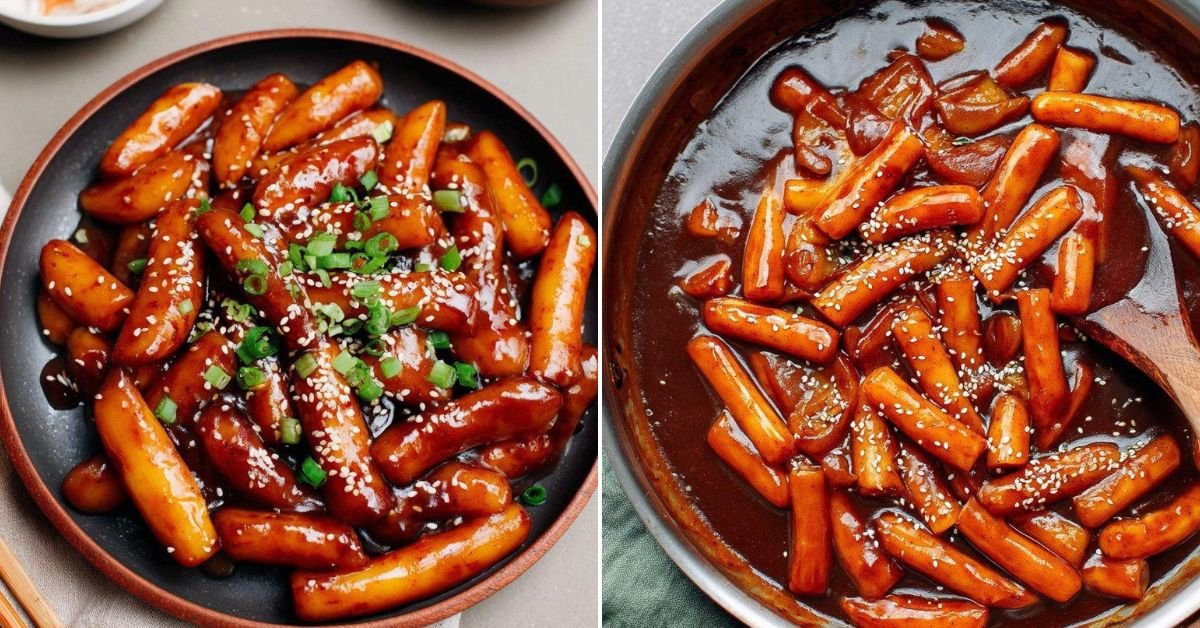
I make this pan of glossy rice cakes when I want comfort with zero heat. It sits neatly in my folder for korean vegetarian recipes and it never lets me down. Chewy tteok slide through a deep black bean sauce that tastes savory and a little sweet, and the whole kitchen smells like dinner showed up right on time. We start with a base that fits vegetarian korean recipes. Mushrooms give a soft bite, onion turns mellow, and cabbage brings crunch. The sauce is simple and bold. Black bean paste loosens with broth and a quick starch slurry, then it hugs every piece. This bowl works for a busy weeknight, yet it still feels special. If you wanted a sign to try a korean tteokbokki recipe that is not spicy, this is it. I grew up chasing noodles, yet these rice cakes won me over. I twirl them with chopsticks, I spoon that sauce, and I grin. You can call it a korean foods recipe or drop it under Korean Food Recipes. Friends search Korea Food Recipe all the time and yes, this korea food recipe answers that search. We keep it cozy, meat free, and very doable. Ready to cook with me
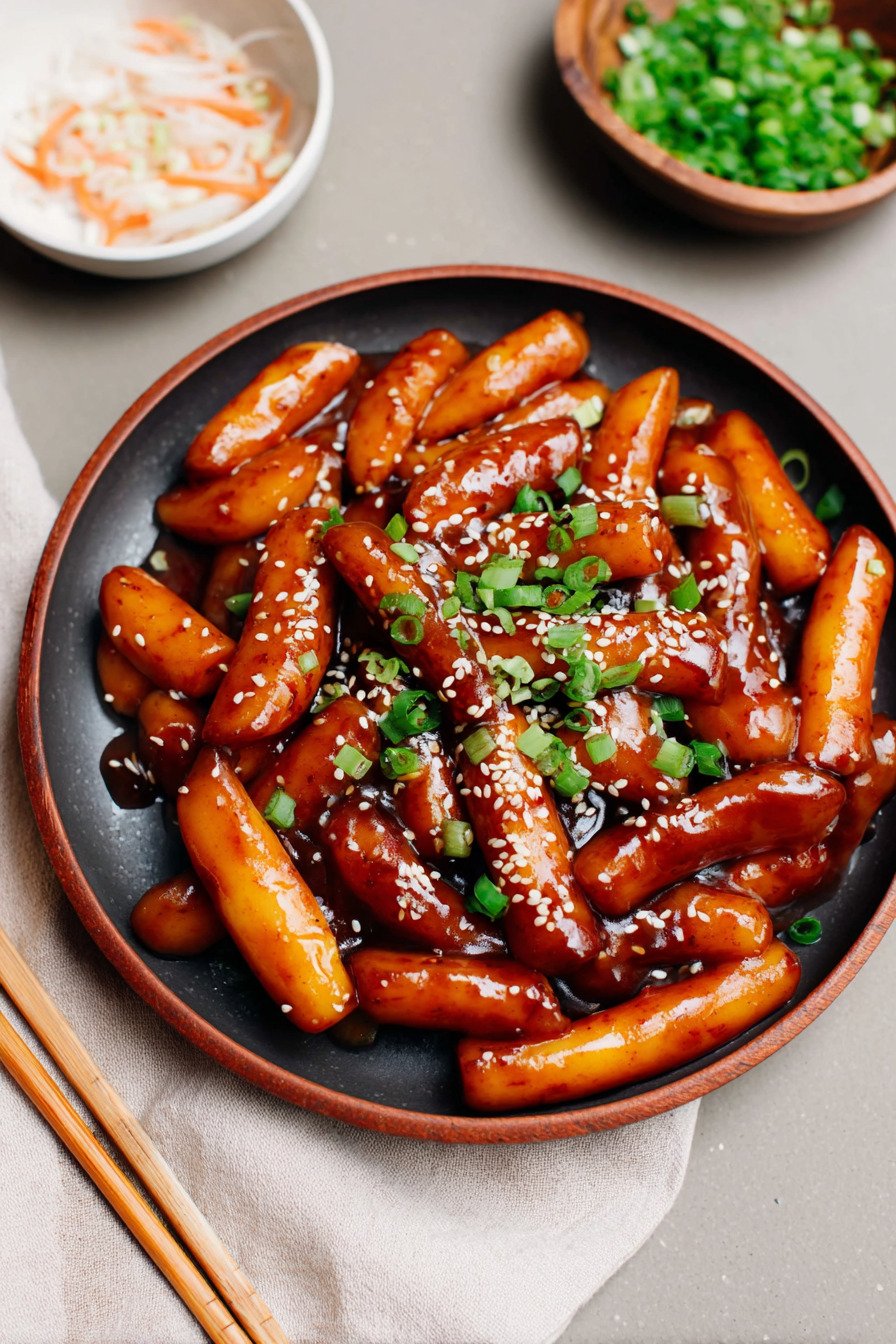
Table of Contents
- 1) Key Takeaways
- 2) Easy Vegan Jjajang Tteokbokki Recipe
- 3) Ingredients for Vegan Jjajang Tteokbokki
- 4) How to Make Vegan Jjajang Tteokbokki
- 5) Tips for Making Vegan Jjajang Tteokbokki
- 6) Making Vegan Jjajang Tteokbokki Ahead of Time
- 7) Storing Leftover Vegan Jjajang Tteokbokki
- 8) Try these Main Course next
- 9) Vegan Jjajang Tteokbokki
- 10) Nutrition
1) Key Takeaways
I cook this cozy bowl when I crave chew and deep flavor without heat. The glossy black bean sauce coats each piece. The texture feels soft then springy. I keep the pantry list short. I keep the steps clear. The goal stays simple. We eat well and we clean one pan. I share this on Cook Simple Recipes where I write as Lisa. I test each step in my small kitchen and I keep notes. The result tastes bold and calm at the same time.
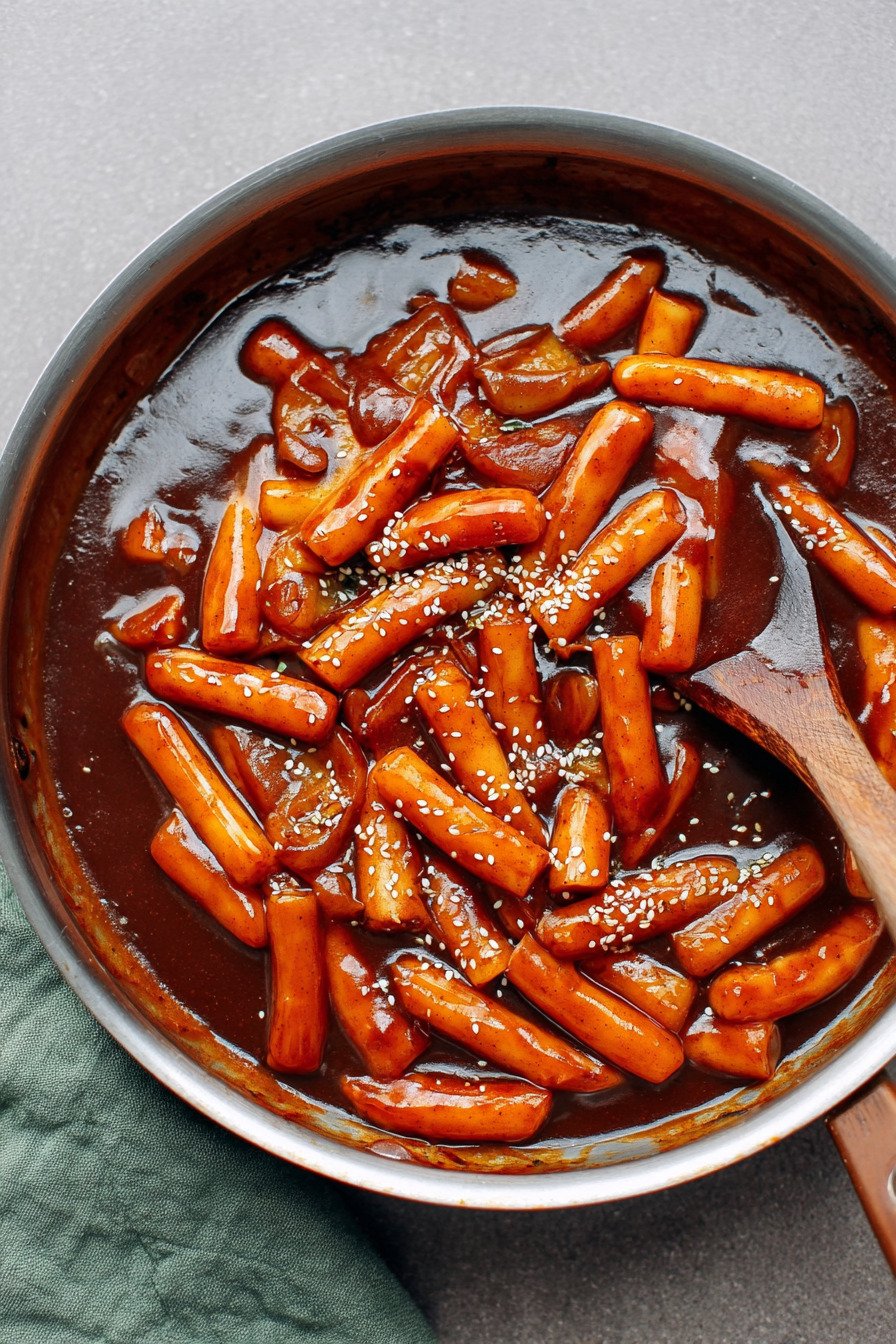
This recipe fits korean vegetarian recipes. I say that twice in my notes since readers search korean vegetarian recipes when they want meat free comfort with a Korean lean. We build flavor with onion mushroom cabbage and a spoon of jjajang paste. We simmer with broth then thicken with starch. The sauce turns glossy and smooth. The rice cakes soften and stay bouncy. I finish with sesame oil and green onion. The bowl lands warm and steady on the table.
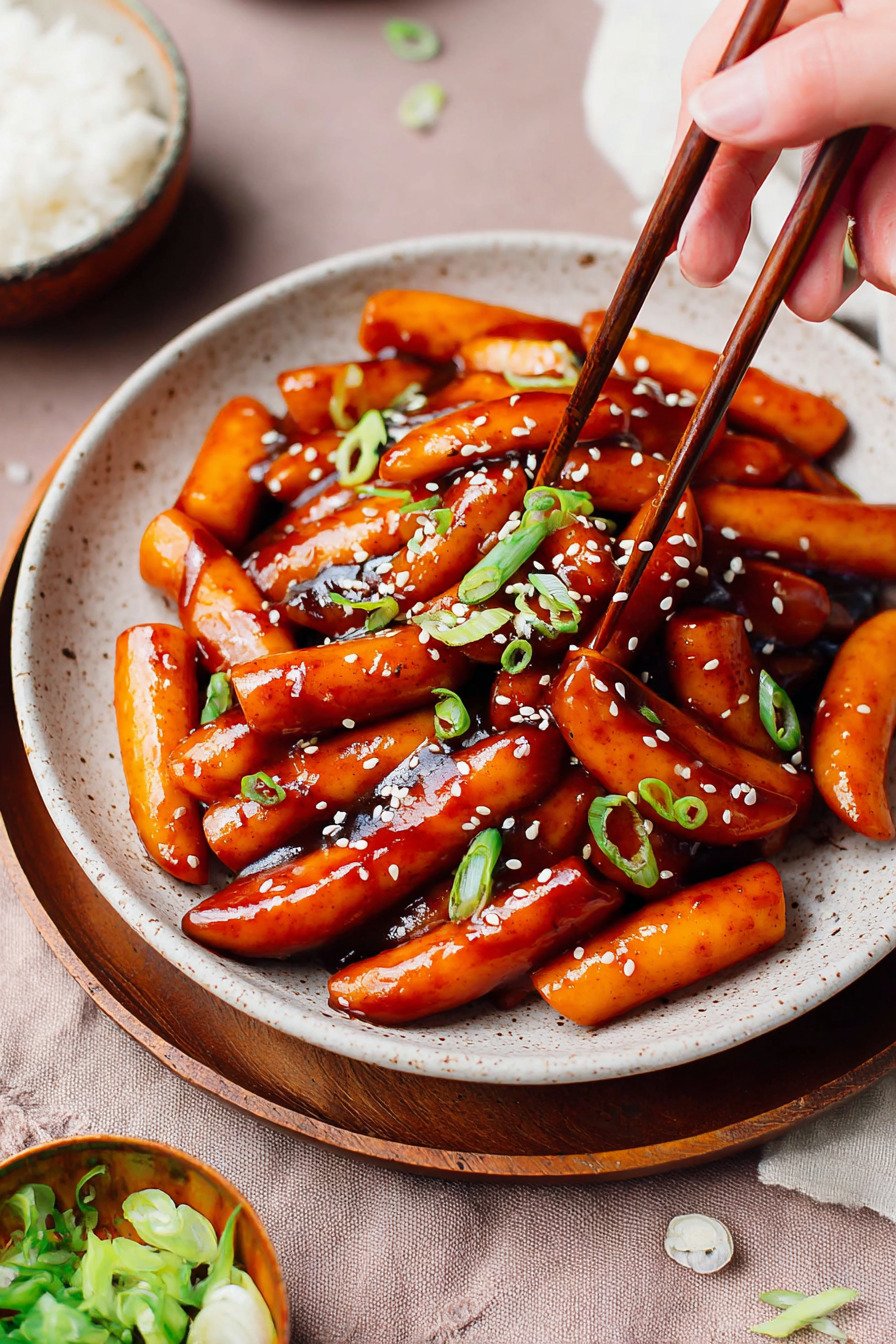
I love how the steps stay friendly for weeknights. No long marinating time. No messy frying. Just gentle heat and stirring. If you need a tag to file this under, call it vegetarian Korean cooking which sits near korean vegetarian meals in my binder. The dish welcomes add ins like peas or edamame. Leftovers reheat with a splash of broth. The flavor holds. The comfort stays.
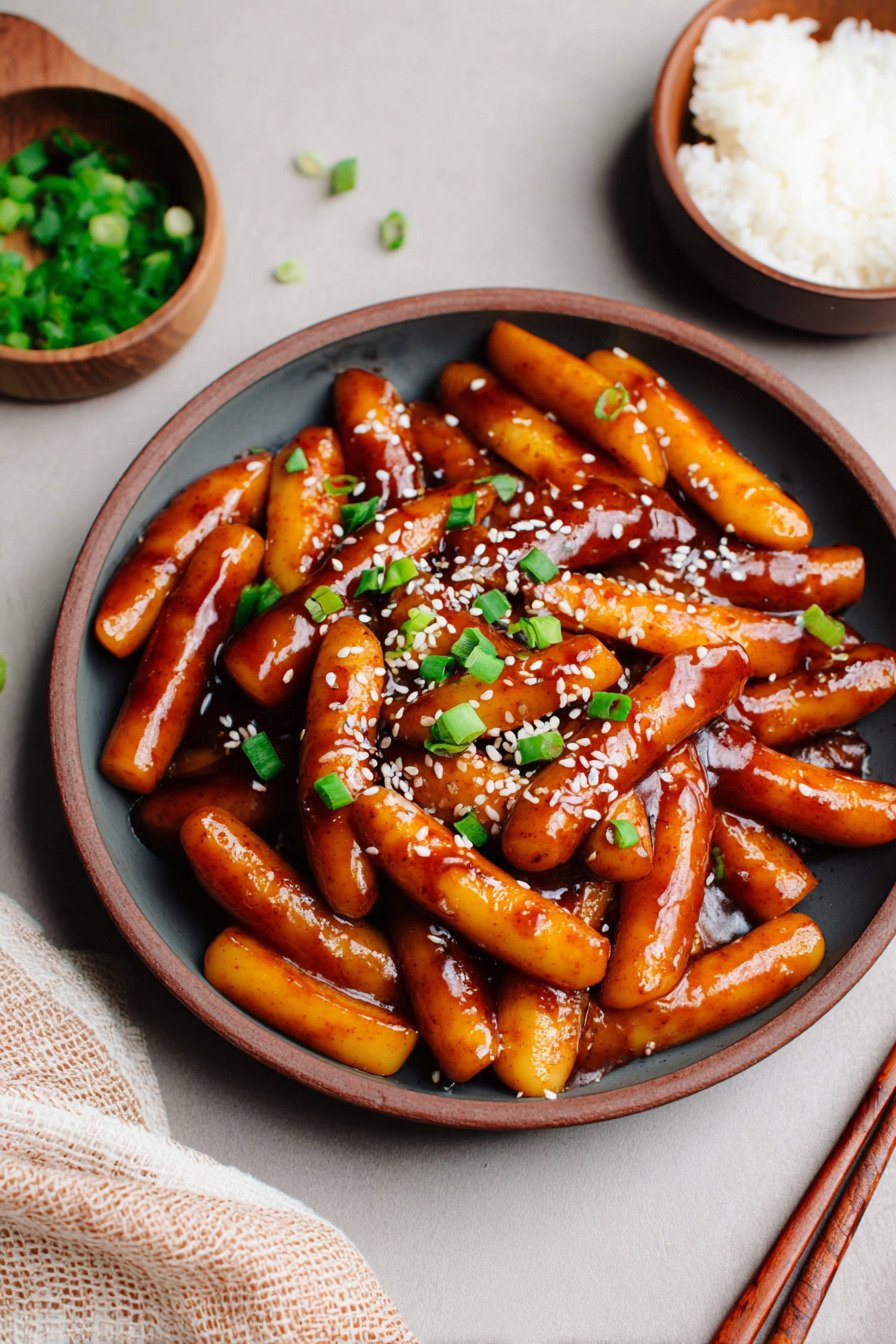
2) Easy Vegan Jjajang Tteokbokki Recipe
I reach for this when I want a fast path into korean vegetarian recipes. The method reads light and the payoff tastes rich. I say korean vegetarian recipes right here again since it anchors the idea. We lean on pantry staples that behave well under a little heat. We get chew from rice cakes and depth from jjajang paste. The sauce looks dark and smooth and it clings in the best way. I plate it with a smile and a spoon.
I write for Cook Simple Recipes and I like clear steps. I start with onion for sweetness then mushrooms for body. Cabbage adds a crisp edge. Garlic wakes the pan. The paste meets the broth and relaxes. A quick cornstarch mix gives that silk finish. I stir slow and watch the shine bloom. The kitchen smells savory and a little sweet. The pan feeds four with ease.
I make room for tteokbokki as a weeknight habit. The tug in each bite feels fun. Friends ask for the method and I send them here. Many arrive searching non spicy jjajang tteokbokki and they leave happy. If you crave a tidy list to pin, label this vegetarian Korean cooking and Korean vegetarian meals for quick recall. The dish travels well to the couch or the patio. It fits a quiet night and it plays nice with a crisp salad.
3) Ingredients for Vegan Jjajang Tteokbokki
Neutral oil I use a small splash to start the pan and to help the aromatics soften without browning.
Onion A medium one diced fine brings gentle sweetness and a soft base that supports the sauce.
Green cabbage A couple of cups chopped add a light crunch that holds even after the simmer.
Zucchini Small dice gives tender bites that soak up the black bean flavor without getting mushy.
Mushrooms Sliced cups create body and a savory lift that makes the sauce taste bigger.
Garlic Three cloves minced wake the pan and tie the vegetables to the paste.
Jjajang paste This fermented black bean base forms the heart of the jjajang sauce and gives that signature dark gloss.
Soy sauce A spoon rounds the salt level and deepens the color.
Sugar A small spoon balances the tasty bitter edge in the paste and keeps the sauce friendly.
Vegetable broth Two cups help the paste relax and carry flavor into each bite.
Rice vinegar or mirin One spoon brightens the finish and keeps the sauce lively.
Cornstarch slurry One spoon cornstarch mixed with cold water gives a smooth thick body that coats rice cakes.
Sesame oil A teaspoon at the end adds a nutty finish that drifts up with the steam.
Salt A pinch near the end lets the flavors sit in balance without a harsh bite.
Rice cakes Fresh tteok soften to a bouncy chew and make this a true bowl of vegan Korean rice cakes.
Peas or edamame A cup adds color and a light pop that plays well with the sauce.
Green onions Thin slices finish the bowl with a fresh lift and a little crunch.
Sesame seeds A sprinkle on top adds gentle texture and a toasty note.
4) How to Make Vegan Jjajang Tteokbokki
Step one Warm a wide pan on medium heat then add oil and onion and stir until soft and clear.
Step two Add cabbage zucchini and mushrooms and cook until tender with a slight bite then add garlic and stir for one minute.
Step three Stir in jjajang paste soy sauce sugar and broth and let the mix simmer gently so the paste loosens and the flavor spreads.
Step four Mix cornstarch with cold water then pour it in while stirring and watch the sauce turn glossy and smooth.
Step five Rinse rice cakes then slide them into the pan and cook five to seven minutes until soft and bouncy.
Step six Stir in peas or edamame until hot then finish with sesame oil and a light pinch of salt.
Step seven Spoon into warm bowls and top with green onion and sesame seeds and serve at once.
5) Tips for Making Vegan Jjajang Tteokbokki
Soak firm rice cakes in warm water so they soften before they meet the sauce. This small step smooths the cook time and keeps the chew even. Keep the simmer gentle since a hard boil tightens starch and muddies texture. Stir slow and watch the shine grow. Taste near the end then add a pinch of salt if the paste runs shy.
Let the paste touch hot oil for a short minute before liquids. The flavor jumps and the aroma opens. If the sauce tightens on the stove add a spoon of broth and stir. If you want more body add a tiny splash of slurry and give it one more slow bubble. For a brighter note use vinegar. For a rounder note use mirin. Both play nice.
File this under korean vegetarian recipes on your board. You can tag it as black bean tteokbokki recipe if you want a clearer search path. I put this on Cook Simple Recipes with a link to https://www.cooksimplerecipes.com so readers can save it. Think of it as a home for vegetarian Korean cooking. The dish sits well next to a crisp cucumber salad and a bowl of steamed greens.
6) Making Vegan Jjajang Tteokbokki Ahead of Time
I prep the sauce a day before a busy night. I cook it through step four then cool it in a jar. The next day I warm it and add rice cakes. The texture lands right. The shine comes back. This plan keeps dinner calm. The pot stays clean. I like how this fits the rhythm of a week built on korean vegetarian recipes and simple meals that do not ask for much fuss.
If you plan a lunch box cook the rice cakes on the softer side. They firm a touch in the fridge. Pack the sauce and the garnish apart so the crunch holds. A splash of broth on reheat brings the silk back. Label the container with the date and a short note so you smile when you open it.
For range in flavor set out small bowls. One with sliced cucumbers. One with kimchi if you like a gentle kick on the side. One with extra sesame seeds. These small touches make the meal feel planned. They nudge this bowl from a fast fix into a cozy spread built for korean vegetarian meals and meat free Korean dishes.
7) Storing Leftover Vegan Jjajang Tteokbokki
Spoon leftovers into a tight container once the pan cools. Keep it chilled for two days. The sauce will thicken as it rests. Add a splash of broth when you warm it so the gloss returns. Stir slow on low heat and stop when the chew feels right. I like to top with fresh green onion for lift.
If you freeze the dish the texture shifts. The chew drops a notch. For that reason I stick to the fridge. The flavor still sings on day two. It pairs well with a quick salad or a bowl of steamed rice cakes on the side if you want extra tug. A small wedge of roasted squash fits too.
Mark the lid with the date and the name. Stack the container near the front so you see it. This small habit keeps food from hiding. The next meal comes together fast. Warm bowl. Spoon ready. That is the life I like to keep with korean vegetarian recipes in steady rotation.
8) Try these Main Course next
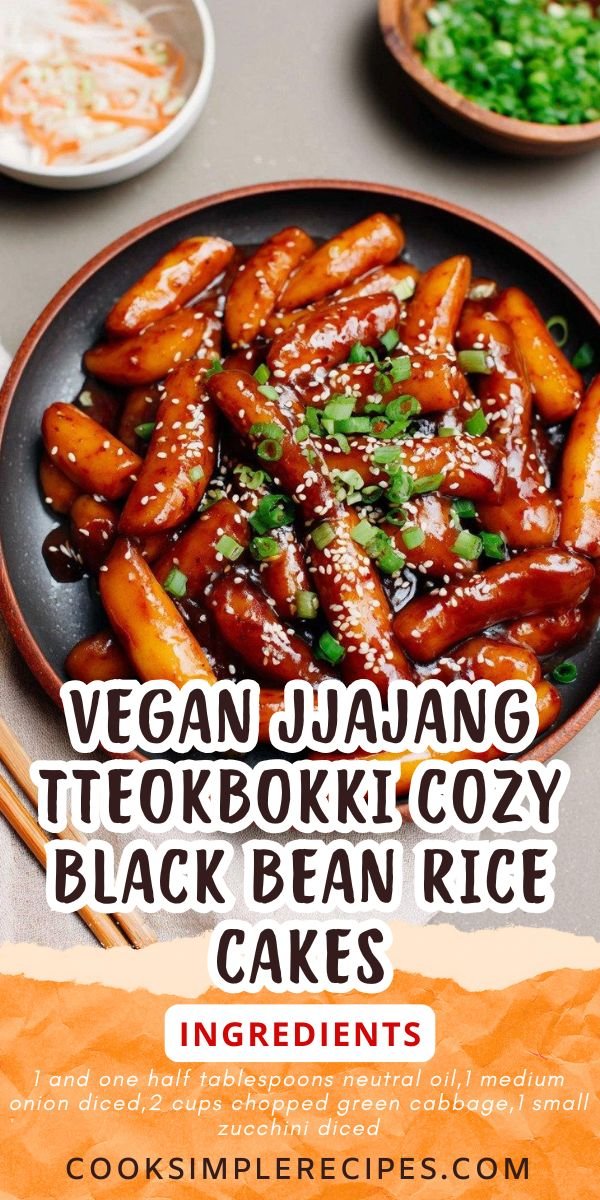
9) Vegan Jjajang Tteokbokki
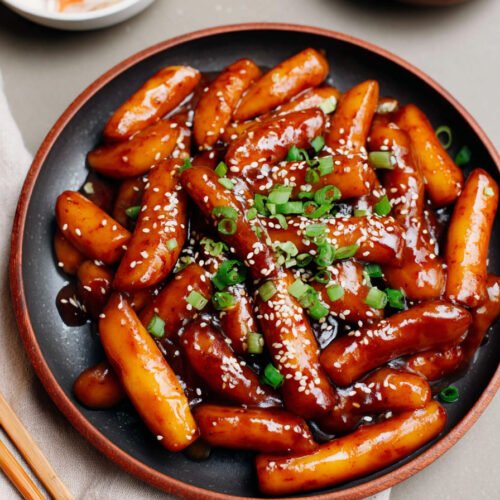
Vegan Jjajang Tteokbokki korean vegetarian recipes
Ingredients
For the Sauce
- 1 and one half tablespoons neutral oil
- 1 medium onion diced
- 2 cups chopped green cabbage
- 1 small zucchini diced
- 2 cups sliced mushrooms
- 3 cloves garlic minced
- 3 tablespoons black bean paste chunjang
- 1 tablespoon soy sauce
- 1 tablespoon sugar or maple syrup
- 2 cups vegetable broth
- 1 tablespoon rice vinegar or mirin
- 1 tablespoon cornstarch mixed with 2 tablespoons cold water
- 1 teaspoon toasted sesame oil
- Salt to taste
For the Rice Cakes
- 18 ounces fresh Korean rice cakes tteok for tteokbokki
- 1 cup frozen peas or edamame rinsed
- 2 green onions thinly sliced
- 1 tablespoon toasted sesame seeds for serving
Instructions
For the Sauce
- Warm a wide pan over medium heat and add the oil.
- Cook the onion until soft then add cabbage zucchini and mushrooms and stir until the veg turn tender.
- Stir in the garlic and cook for one minute.
- Add the black bean paste soy sauce sugar broth and vinegar and bring to a gentle simmer.
- Whisk the cornstarch slurry then pour it in while stirring until the sauce looks glossy and slightly thick.
- Cut the heat low and stir in the sesame oil and a pinch of salt.
For the Rice Cakes
- If the rice cakes feel firm soak them in warm water for ten minutes then drain.
- Slide the rice cakes into the simmering sauce and cook until soft and bouncy about five to seven minutes.
- Fold in peas until hot.
- Top with green onions and sesame seeds and serve right away.
10) Nutrition
Serving Size 1 bowl Calories 420 Sugar 7 g Sodium 980 mg Fat 11 g Saturated Fat 2 g Carbohydrates 71 g Fiber 6 g Protein 11 g Cholesterol 0 mg. I pull these numbers from a calculator and round to keep it readable. Values shift with brands and measure. Use them as a simple guide. The bowl sits in a meat free lane and gives steady energy. The mix of starch veg and protein from peas or edamame feels balanced for a weekday dinner.
Find more by Lisa at Cook Simple Recipes. Save this post and share it with a friend who collects tteokbokki ideas. Keywords in this post include jjajang sauce and rice cakes plus the long tails non spicy jjajang tteokbokki, vegan Korean rice cakes, and black bean tteokbokki recipe for readers who search narrow topics.





Leave a Comment