

1) What I Learned Testing Seafood Pasta Salad with Crab and Shrimp
Cold seafood pasta salad can go wrong fast: watery dressing, bland pasta, rubbery seafood, and vegetables that lose their snap. I’m Lisa, and my first batch looked pretty but tasted flat after chilling, so I tested the dressing balance, pasta cooling, and gentle mixing until the salad stayed creamy without feeling heavy. The discovery was simple: cool the pasta fully, pat the seafood dry, and season the dressing before tossing. This seafood pasta salad crab and shrimp brings me the calm, familiar feeling of a chilled summer dinner with a bowl that tastes fresh, creamy, and bright.
Table of Contents
- 1) What I Learned Testing Seafood Pasta Salad with Crab and Shrimp
- 2) Key Takeaways
- 3) Easy Seafood Pasta Salad with Crab and Shrimp Recipe
- 4) Why Most Seafood Pasta Salad with Crab and Shrimp Recipes Fail
- 5) Ingredients for Seafood Pasta Salad with Crab and Shrimp
- 6) How to Make Seafood Pasta Salad with Crab and Shrimp
- 7) Recipe Card: Seafood Pasta Salad with Crab and Shrimp
- 8) Tips for Making Seafood Pasta Salad with Crab and Shrimp
- 9) Common Mistakes & Fixes
- 10) How to Tell Seafood Pasta Salad with Crab and Shrimp Has the Right Texture
- 11) Professional Secrets Behind Better Seafood Pasta Salad with Crab and Shrimp
- 12) Best Dishes or Pairings to Serve With Seafood Pasta Salad with Crab and Shrimp
- 13) Making Seafood Pasta Salad with Crab and Shrimp Ahead of Time
- 14) Storing Leftover Seafood Pasta Salad with Crab and Shrimp
- 15) FAQ (Real Cooking Questions)
- 16) Save This Seafood Pasta Salad with Crab and Shrimp Recipe
- 17) Conclusion
- 18) Nutrition
2) Key Takeaways
- Cool the pasta completely before mixing so the mayonnaise dressing stays creamy instead of loose or oily.
- Pat the cooked shrimp dry and fold the crab gently to protect the seafood texture.
- Season the dressing before tossing, then taste again after chilling because cold salads often need a final adjustment.
- Chill for at least 30 minutes so the lemon, parsley, seafood, and vegetables taste connected instead of separate.
3) Easy Seafood Pasta Salad with Crab and Shrimp Recipe
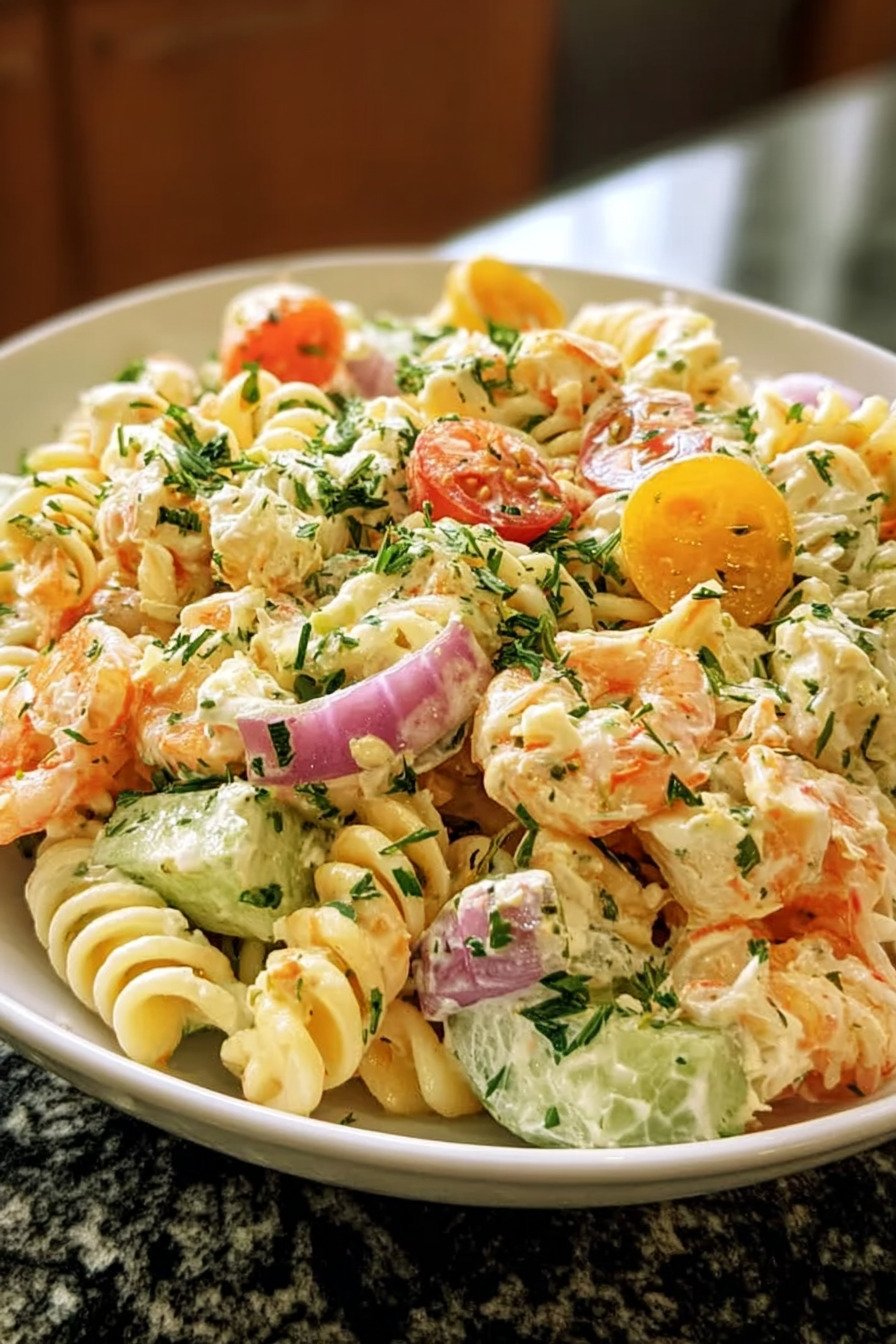
This seafood pasta salad with crab and shrimp works because every step protects texture. The pasta needs to be tender enough to eat cold but firm enough to hold its shape. The crab and shrimp are already cooked, so the goal is not more cooking; it is careful handling, clean seasoning, and enough chill time for the flavors to settle. A lemon mayonnaise dressing gives creamy body while still keeping the salad bright. The cucumber, cherry tomatoes, red onion, and parsley add crunch, color, freshness, and a little sharpness so the finished bowl does not taste like plain pasta coated in mayo.
4) Why Most Seafood Pasta Salad with Crab and Shrimp Recipes Fail
Most seafood pasta salad crab and shrimp recipes fail because the pasta is mixed while warm. Warm pasta loosens mayonnaise, softens vegetables too quickly, and can make the salad feel greasy instead of creamy. Another common problem is wet seafood. Cooked shrimp often carries surface moisture, and if it goes straight into the bowl, the dressing thins as the salad chills. Crab also needs gentle handling; aggressive stirring breaks it into tiny shreds and makes the texture feel less special. Flat flavor is another issue because cold pasta dulls salt, pepper, and acidity. Finally, too much red onion or uneven chopping can overpower the delicate seafood instead of supporting it.
5) Ingredients for Seafood Pasta Salad with Crab and Shrimp
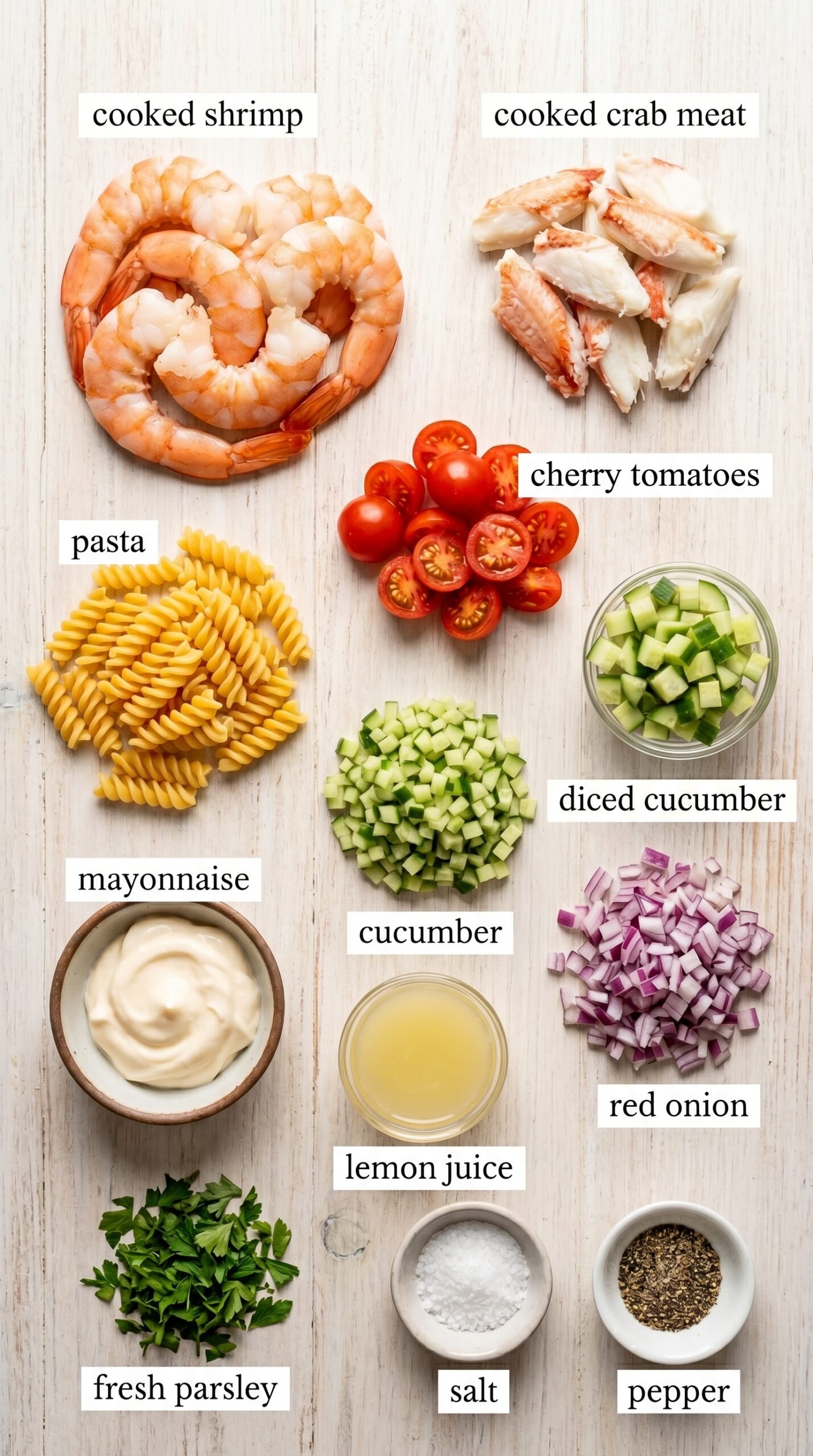
Pasta: Fusilli or penne works well because the ridges and hollow spaces catch the creamy dressing. Cook it until just tender, then cool it before mixing. If the pasta is overcooked, it can break apart and make the salad feel heavy after refrigeration.
Cooked crab meat: Crab gives this shrimp and crab pasta salad its sweet seafood flavor. Use it cold or gently chilled, and fold it carefully near the end of mixing. If replaced with imitation crab, the salad will taste sweeter and less delicate.
Cooked shrimp: Shrimp adds firm, clean seafood texture. Pat it dry before adding it to the bowl so the dressing does not turn watery. If the shrimp is large, cutting it into bite-size pieces makes the salad easier to serve.
Cherry tomatoes: Tomatoes add juicy sweetness and color. Halving them helps each bite feel fresh, but very watery tomatoes can dilute the dressing, so use firm ripe tomatoes when possible.
Cucumber: Cucumber gives crunch and coolness. Dice it small so it distributes evenly through the pasta. If the cucumber has a watery center, scoop out some seeds before dicing to protect the creamy texture.
Red onion: Red onion brings a sharp bite that wakes up the seafood and mayonnaise. Chop it finely so it seasons the salad instead of dominating it. For a softer flavor, rinse the chopped onion briefly and drain it well.
Fresh parsley: Parsley adds clean herbal brightness. Add it fresh, not dried, because dried parsley will not give the same lift in a cold salad.
Mayonnaise: Mayonnaise creates the creamy base for this creamy seafood pasta salad. Use enough to coat, not drown, the pasta. A thicker mayonnaise holds better during chilling.
Lemon juice: Lemon juice cuts through the richness and helps the seafood taste brighter. Add it to the dressing before mixing so the acidity is evenly spread.
Salt and pepper: Salt sharpens the seafood, pasta, and vegetables, while pepper adds a gentle finish. Taste after chilling because cold salads often need a small final adjustment.
- Fusilli vs penne: Fusilli catches more dressing in its curves, while penne gives a cleaner, firmer bite.
- Fresh crab vs imitation crab: Fresh cooked crab tastes more delicate and briny, while imitation crab is sweeter and softer.
- Warm pasta vs cooled pasta: Warm pasta loosens the dressing; cooled pasta keeps the salad creamy and stable.
- Gentle folding vs hard stirring: Gentle folding protects the crab and shrimp, while hard stirring can crush the seafood and dull the texture.
6) How to Make Seafood Pasta Salad with Crab and Shrimp
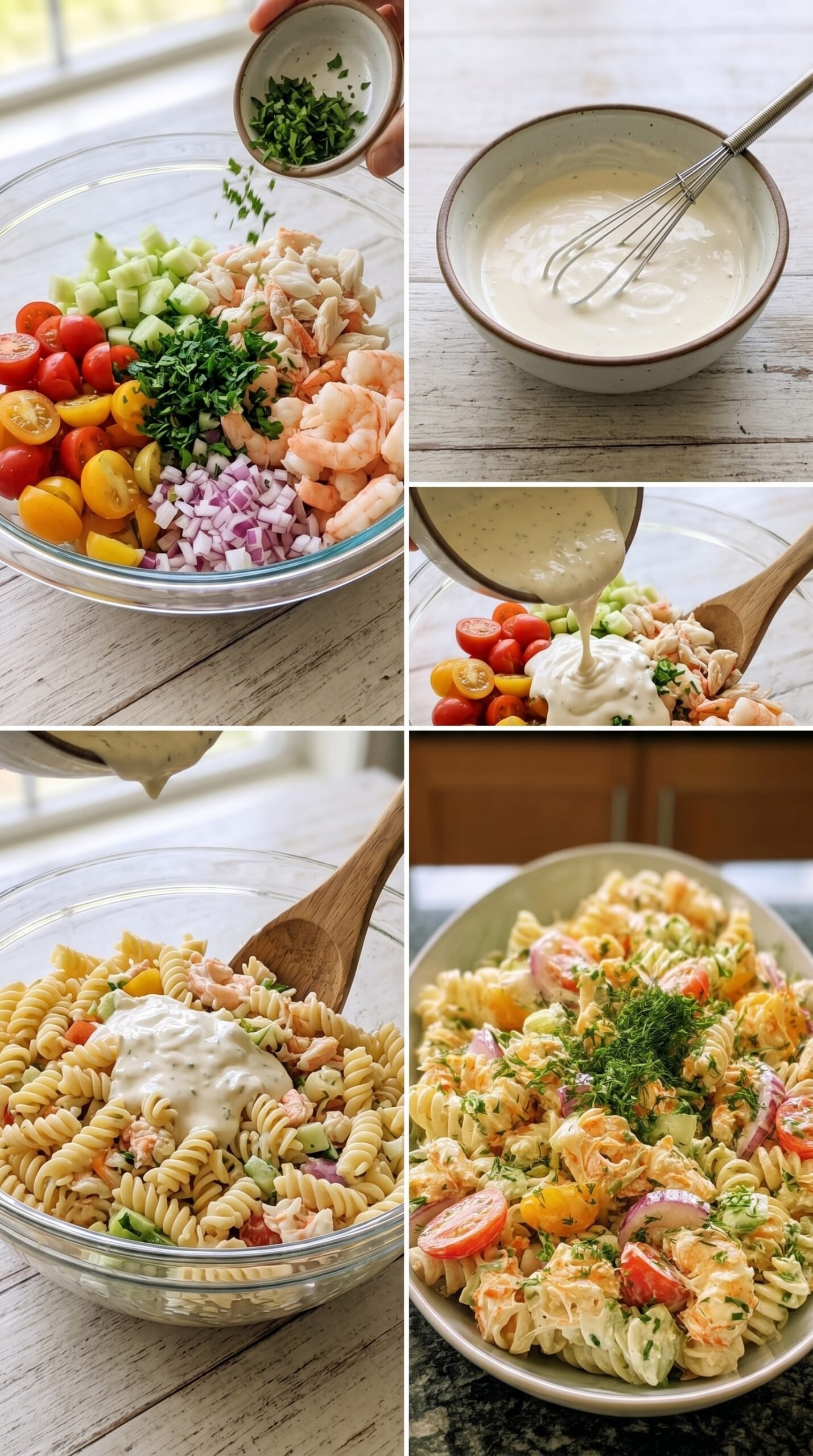
Step 1: Cook the pasta according to the package directions until tender but still structured. Drain it well and let it cool completely. For a cold salad, trapped heat is the enemy because it softens vegetables and loosens the mayonnaise dressing.
Step 2: Add the cooked crab meat, cooked shrimp, cherry tomatoes, cucumber, red onion, and parsley to a large bowl. Use a bowl with enough room to fold everything without crushing the seafood.
Step 3: In a separate bowl, mix the mayonnaise, lemon juice, salt, and pepper until smooth. Taste the dressing before adding it to the salad; it should be creamy, lightly tangy, and clearly seasoned.
Step 4: Add the cooled pasta to the seafood and vegetable mixture. Fold gently so the pasta distributes evenly while the crab stays in visible pieces.
Step 5: Pour the dressing over the salad and toss with a light hand until evenly coated. Stop once the dressing clings to the pasta and seafood; overmixing can make the salad look broken and messy.
Step 6: Refrigerate the salad for at least 30 minutes before serving. Stir once after chilling, then taste for salt, pepper, or a small squeeze of lemon if the flavor needs brightness.
7) Recipe Card: Seafood Pasta Salad with Crab and Shrimp
Seafood Pasta Salad with Crab and Shrimp
Ingredients
- 8 oz pasta (fusilli or penne), cooked until just tender so it holds its shape after chilling
- 1 cup cooked crab meat, picked over for shells and kept in larger pieces when possible
- 1 cup cooked shrimp, peeled and deveined, patted dry before mixing
- 1/2 cup cherry tomatoes, halved for juicy sweetness without flooding the salad
- 1/2 cup cucumber, diced small for fresh crunch
- 1/4 cup red onion, finely chopped so the flavor stays sharp but not overpowering
- 1/4 cup fresh parsley, chopped just before mixing for the cleanest flavor
- 1/2 cup mayonnaise, used as the creamy base for the dressing
- 2 tbsp lemon juice, freshly squeezed if possible for brighter acidity
- Salt and pepper to taste, adjusted after chilling because cold salads need clear seasoning
Instructions
- Cook the pasta according to package instructions until tender but not mushy. Drain well, rinse briefly under cool water to stop the cooking, and let it cool completely so the dressing does not turn loose or oily.
- In a large bowl, combine the crab meat, shrimp, cherry tomatoes, cucumber, red onion, and parsley. Toss lightly with a wide spoon so the seafood stays intact and the vegetables stay crisp.
- In a separate bowl, whisk the mayonnaise, lemon juice, salt, and pepper until smooth. Taste the dressing; it should be creamy, lightly tangy, and slightly more seasoned than you think because the pasta will soften the flavor.
- Add the cooled pasta to the seafood mixture and fold gently until the pasta is evenly distributed without breaking up the crab.
- Pour the dressing over the salad and gently toss until everything is lightly coated. Avoid overmixing, which can make the crab shred too finely and the salad feel heavy.
- Refrigerate for at least 30 minutes before serving so the flavors meld. Stir once before serving and adjust salt, pepper, or a small squeeze of lemon if the chilled salad tastes flat.
8) Tips for Making Seafood Pasta Salad with Crab and Shrimp
For a better seafood pasta salad crab and shrimp, think in layers: pasta texture, seafood moisture, dressing balance, and chill time. Drain the pasta thoroughly so extra water does not collect at the bottom of the bowl. Pat the shrimp dry with a paper towel before mixing. Keep the crab in larger pieces by folding with a wide spoon instead of stirring with a narrow utensil. If the salad tastes dull after refrigeration, do not immediately add more mayonnaise. Taste first, then adjust with salt, pepper, or lemon juice. For pasta salad recipes with shrimp, this final seasoning check is often the step that makes the salad taste fresh instead of flat.
9) Common Mistakes & Fixes
Problem: The salad turns watery. Cause: The pasta was not drained well, the shrimp carried moisture, or the tomatoes and cucumber released liquid. Fix: Cool and drain the pasta thoroughly, pat the shrimp dry, and use firm vegetables.
Problem: The dressing tastes bland after chilling. Cause: Cold temperatures mute salt, pepper, and acidity. Fix: Season the dressing before mixing, chill the salad, then taste again before serving.
Problem: The crab disappears into the salad. Cause: The mixture was stirred too aggressively. Fix: Fold gently with a large spoon and stop once the dressing is evenly distributed.
Problem: The pasta feels mushy. Cause: It was overcooked or left warm too long. Fix: Cook just until tender, drain immediately, and cool before adding the seafood and dressing.
Problem: The onion tastes too sharp. Cause: Red onion can overpower delicate seafood when chopped too large. Fix: Chop it finely or rinse it briefly, then drain it very well before adding.
10) How to Tell Seafood Pasta Salad with Crab and Shrimp Has the Right Texture
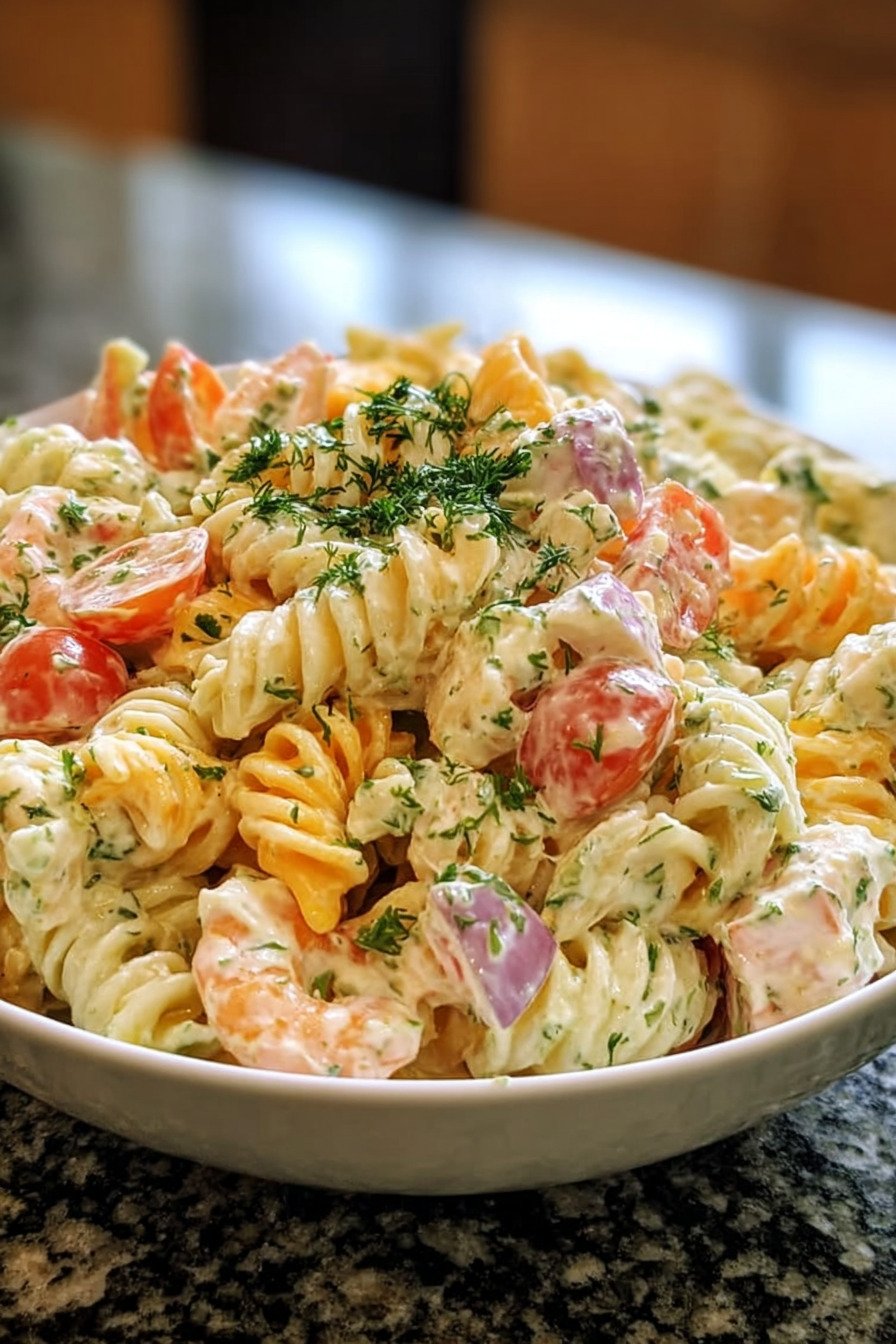
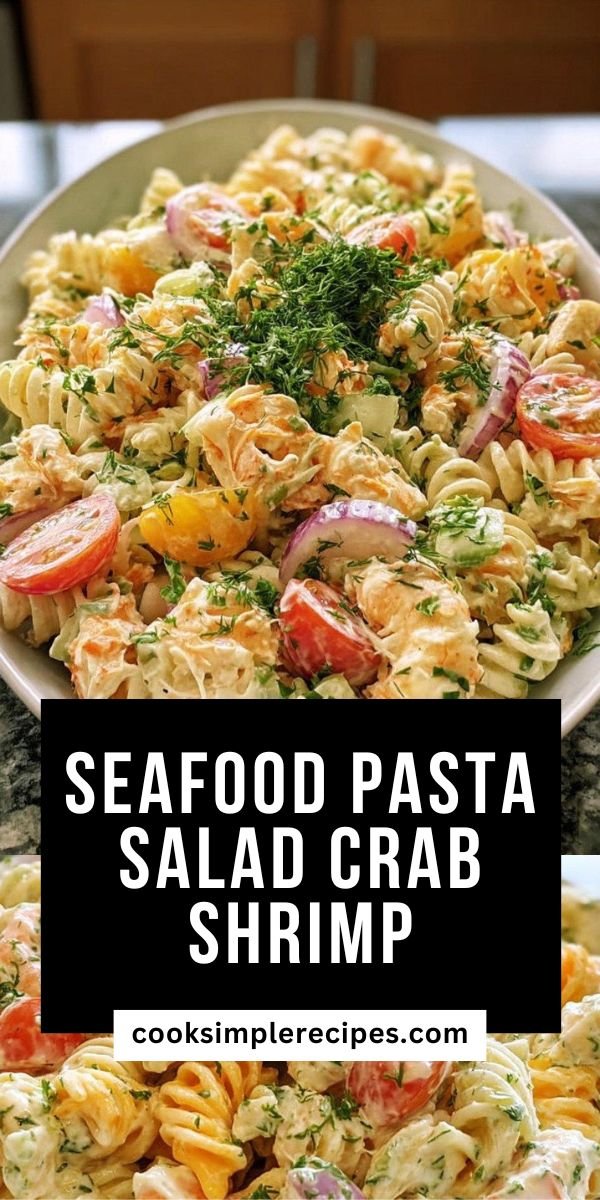
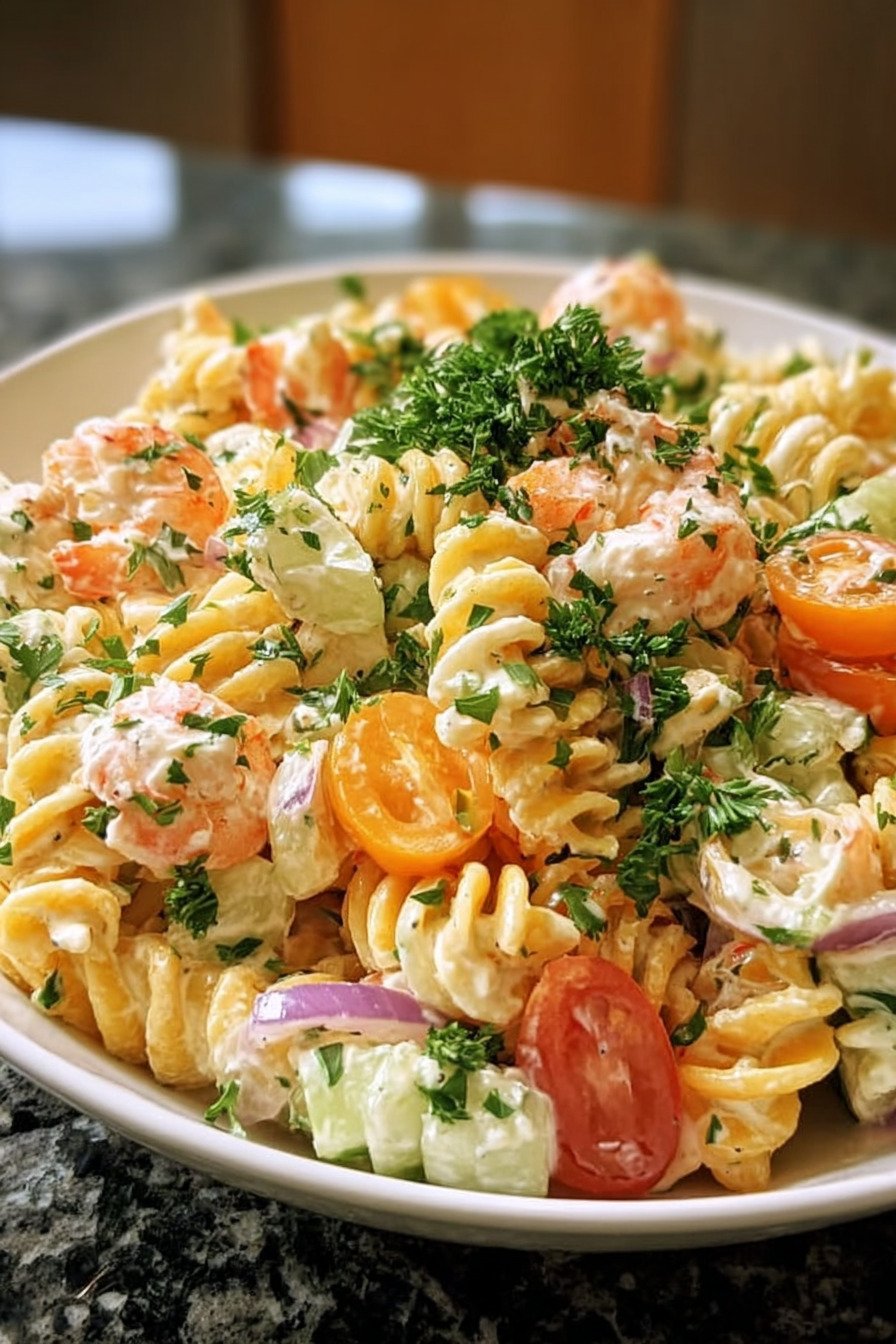
The right seafood pasta salad with crab and shrimp should look creamy but not wet. The dressing should cling lightly to the pasta, crab, shrimp, and vegetables without pooling at the bottom of the bowl. The pasta should hold its shape, the cucumber should still have a clean crunch, and the shrimp should feel tender rather than rubbery. The crab should remain visible in soft pieces, not disappear into the dressing. The aroma should be fresh, lightly lemony, and seafood-forward without smelling heavy. If the salad looks watery, tastes flat, or feels sticky and overmixed, it needs a texture correction before serving.
11) Professional Secrets Behind Better Seafood Pasta Salad with Crab and Shrimp
The small professional habit that improves this salad is seasoning the dressing as its own component. When mayonnaise, lemon juice, salt, and pepper are mixed separately, the flavor spreads evenly instead of landing in random pockets. Another useful trick is to chill the salad before making the final seasoning decision. A creamy seafood pasta salad can taste balanced when first mixed but muted after 30 minutes in the refrigerator. That is normal. A final adjustment with lemon, salt, or pepper brings the seafood back into focus without making the salad heavier.
12) Best Dishes or Pairings to Serve With Seafood Pasta Salad with Crab and Shrimp
This chilled seafood pasta salad works well with grilled corn, garlic bread, crisp green salad, roasted vegetables, lemony asparagus, or simple tomato soup. For a cookout table, serve it beside grilled chicken, salmon, or vegetable skewers so the cool creamy pasta balances smoky flavors. For lunch, spoon it over lettuce or serve it with crackers and sliced avocado. Because the salad already has pasta, seafood, vegetables, and dressing, pair it with lighter sides rather than rich casseroles or heavy cream-based dishes.
13) Making Seafood Pasta Salad with Crab and Shrimp Ahead of Time
This is one of those seafood pasta salad recipes cold enough to benefit from a short rest, but it should still taste fresh. Make it 30 minutes to 4 hours ahead for the best balance. If preparing it earlier, keep the dressing slightly reserved and stir in the last spoonful before serving. This refreshes the texture without making the salad overly rich. Keep it covered in the refrigerator, and avoid leaving it at room temperature for long periods because seafood and mayonnaise-based dressings need careful temperature control.
14) Storing Leftover Seafood Pasta Salad with Crab and Shrimp
Store leftover seafood pasta salad with crab and shrimp in an airtight container in the refrigerator for up to 2 days. Stir gently before serving because the dressing may settle and the pasta may absorb some moisture. Do not freeze this salad; mayonnaise can separate, cucumbers and tomatoes lose their texture, and cooked seafood can become unpleasant after thawing. If leftovers taste a little muted, add a small squeeze of lemon and a pinch of pepper rather than a large amount of extra mayonnaise.
15) FAQ (Real Cooking Questions)
Can I use imitation crab? Yes, but the flavor will be sweeter and less briny than real crab. It can still work in shrimp and crab salad recipes, especially if you keep the lemon and parsley bright.
Should I rinse the pasta after cooking? For this cold salad, a brief rinse can help stop the cooking and cool the pasta. Drain it very well afterward so the dressing does not become thin.
Can I make this seafood pasta salad crab and shrimp the night before? You can, but the freshest texture is usually within the first several hours. If making it overnight, reserve a little dressing and stir it in before serving.
Why did my shrimp crab salad taste bland after chilling? Cold temperatures mute seasoning. Taste again after the salad rests, then adjust with salt, pepper, or lemon juice.
What pasta shape works best? Fusilli holds dressing in its curves, while penne keeps a firmer bite. Avoid very tiny pasta shapes because they can make the seafood pieces feel uneven.
16) Save This Seafood Pasta Salad with Crab and Shrimp Recipe
If this Seafood Pasta Salad with Crab and Shrimp helped you solve watery dressing, bland pasta, or broken seafood texture, save it for cookouts, chilled lunches, and make-ahead summer dinners. The key reminder is: cool the pasta fully, dry the seafood, and season again after chilling.
17) Conclusion
Seafood pasta salad with crab and shrimp becomes much more reliable when you stop treating it like a quick mix-and-serve bowl and start protecting each texture. Cooled pasta keeps the dressing stable, dry seafood prevents wateriness, gentle folding keeps the crab visible, and a final seasoning check restores the bright lemony flavor after chilling. Once you understand those small details, the salad shifts from flat and heavy to creamy, fresh, and balanced. That is the difference between a cold pasta salad that simply fills a bowl and one that feels carefully made.
18) Nutrition
Serving Size 1 portion Calories 315 Sugar 3 g Sodium 520 mg Fat 15 g Saturated Fat 2 g Carbohydrates 30 g Fiber 2 g Protein 16 g Cholesterol 95 mg
Leave a Comment