
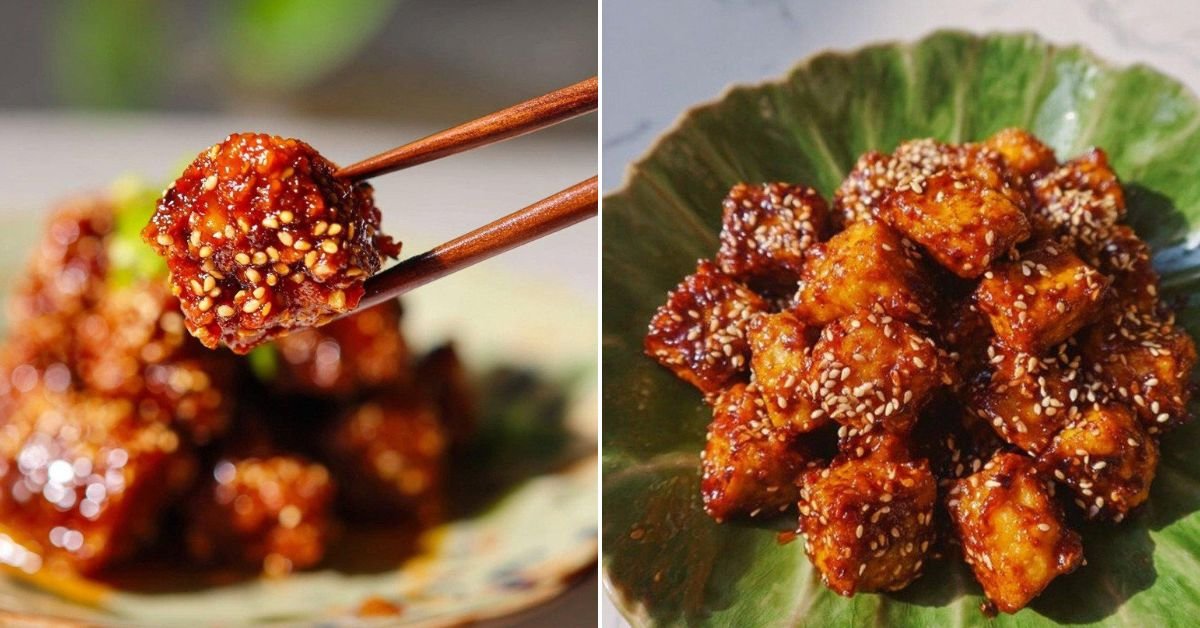
korean vegetarian recipes meets tofu recipes and recipes with tofu and tofu asian recipe and chinese tofu recipes and simple tofu recipes and tofu easy recipe. I say this fast and grin. You get a crisp bite and a warm center. The sauce hits sweet and spicy. Dinner lands on the table without fuss. I press the tofu with a plate and a clean towel. The extra water leaves and the cubes hold shape. Cornstarch clings like a light jacket. I heat a pan. Oil shimmers. The tofu turns golden and I nudge the pieces so they brown on all sides. A little patience pays off. I snack a cube and try not to eat them all. Now the fun part. I whisk gochujang with soy, rice vinegar, garlic, and ginger. The sauce looks glossy and smells bold. I pour it in and it bubbles. Each cube gets coated. Steam lifts and I can almost taste it. We finish with scallions and sesame. I spoon it over hot rice. The plate looks neat. The bite feels balanced. Heat. Salt. Tang. We sit and eat and nod. It just works.
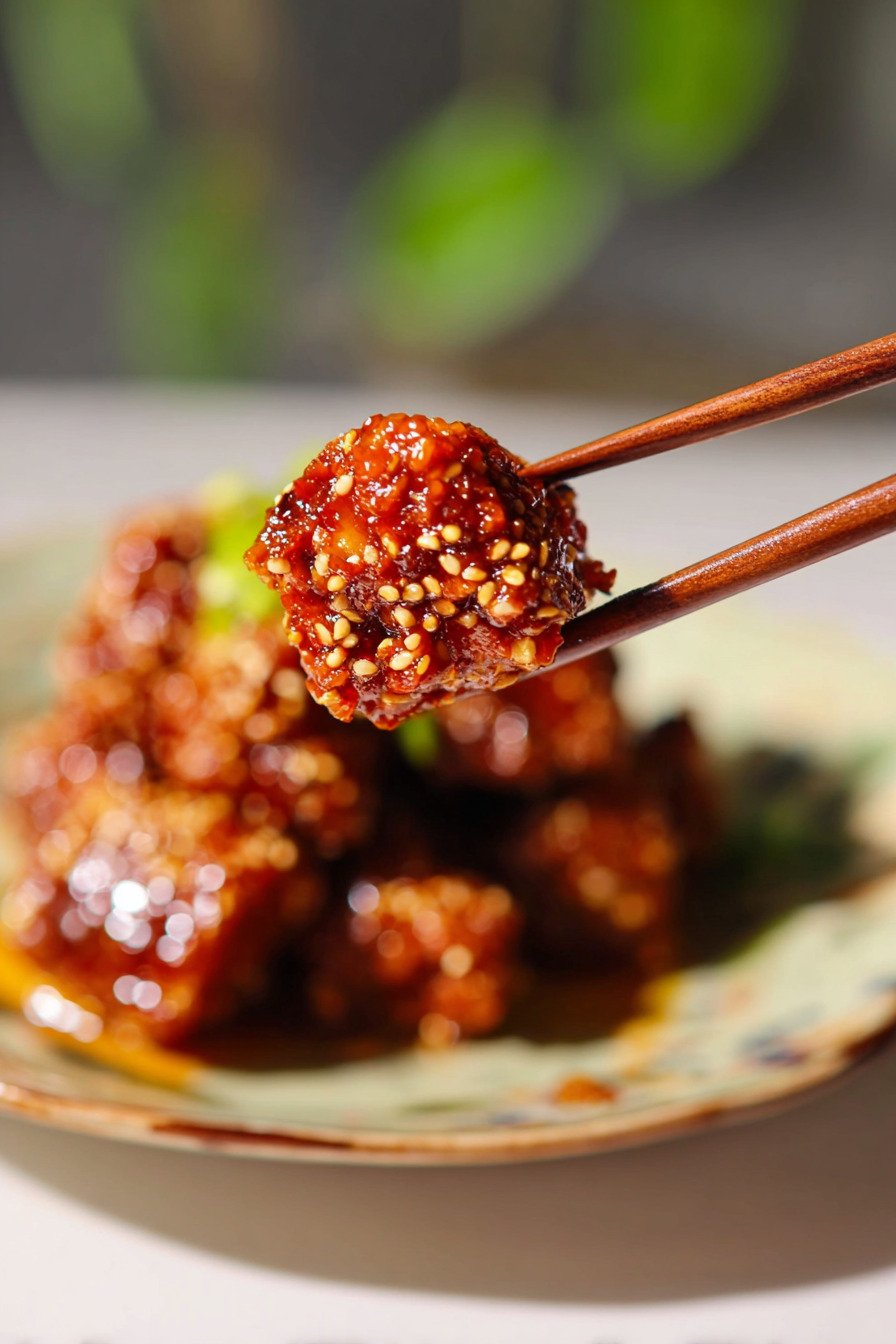
Table of Contents
- 1) Key Takeaways
- 2) Easy Gochujang Tofu Recipe
- 3) Ingredients for Gochujang Tofu
- 4) How to Make Gochujang Tofu
- 5) Tips for Making Gochujang Tofu
- 6) Making Gochujang Tofu Ahead of Time
- 7) Storing Leftover Gochujang Tofu
- 8) Try these Main Course next
- 9) Gochujang Tofu
- 10) Nutrition
1) Key Takeaways
Hi. I am Lisa from Cook Simple Recipes. I cook on busy weeknights. I lean on tofu when I want crisp edges and a soft middle. This recipe gives that and more. The sauce brings heat and a hint of sweet. The steps stay short. The pans stay few. Folks at my table ask for seconds. I do not argue. In the first bite you taste deep flavor with clean finish. In the second bite you taste balance again. That is the goal we chase in simple home meals.
The method uses pressing and light starch. That move seals moisture and builds crust. A quick sear helps the surface turn golden. Then the pan welcomes a glossy mix of gochujang soy rice vinegar garlic and ginger. The cubes grab the sauce and shine. I add scallions and sesame for snap. A bowl of rice makes it a full dinner. The plan fits a fast night yet still feels like care. It reads easy and it eats bold.
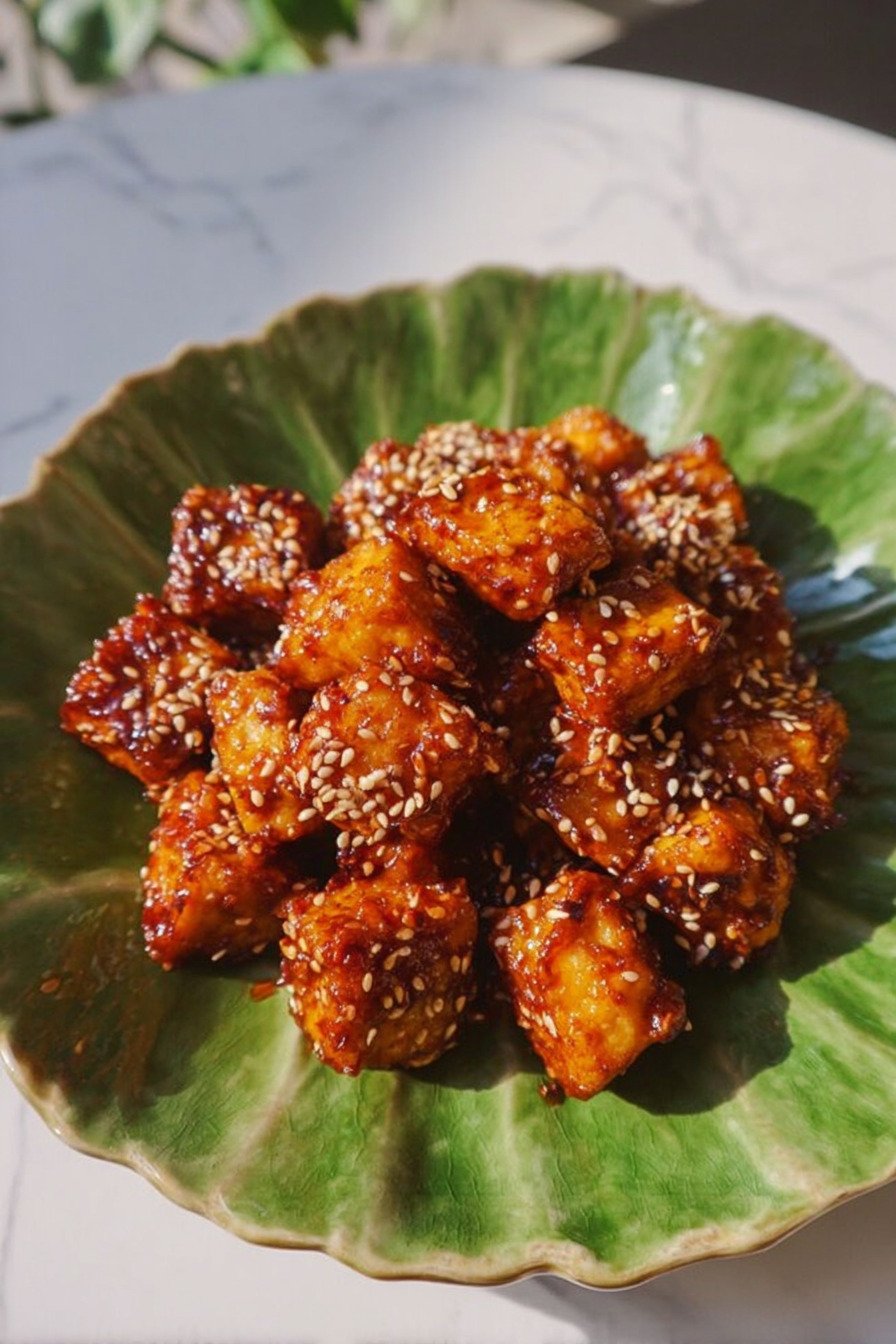
This dish fits a wide plan for korean vegetarian recipes at home. It suits new cooks and longtime fans. It scales well for a crowd. It works with pantry staples. It keeps well for lunch. It welcomes tweaks without stress. Want less heat. Use a lighter spoon of paste. Want a bit more sweet. Add a splash of maple. We keep flavor first. We keep steps short. We keep dinner friendly.
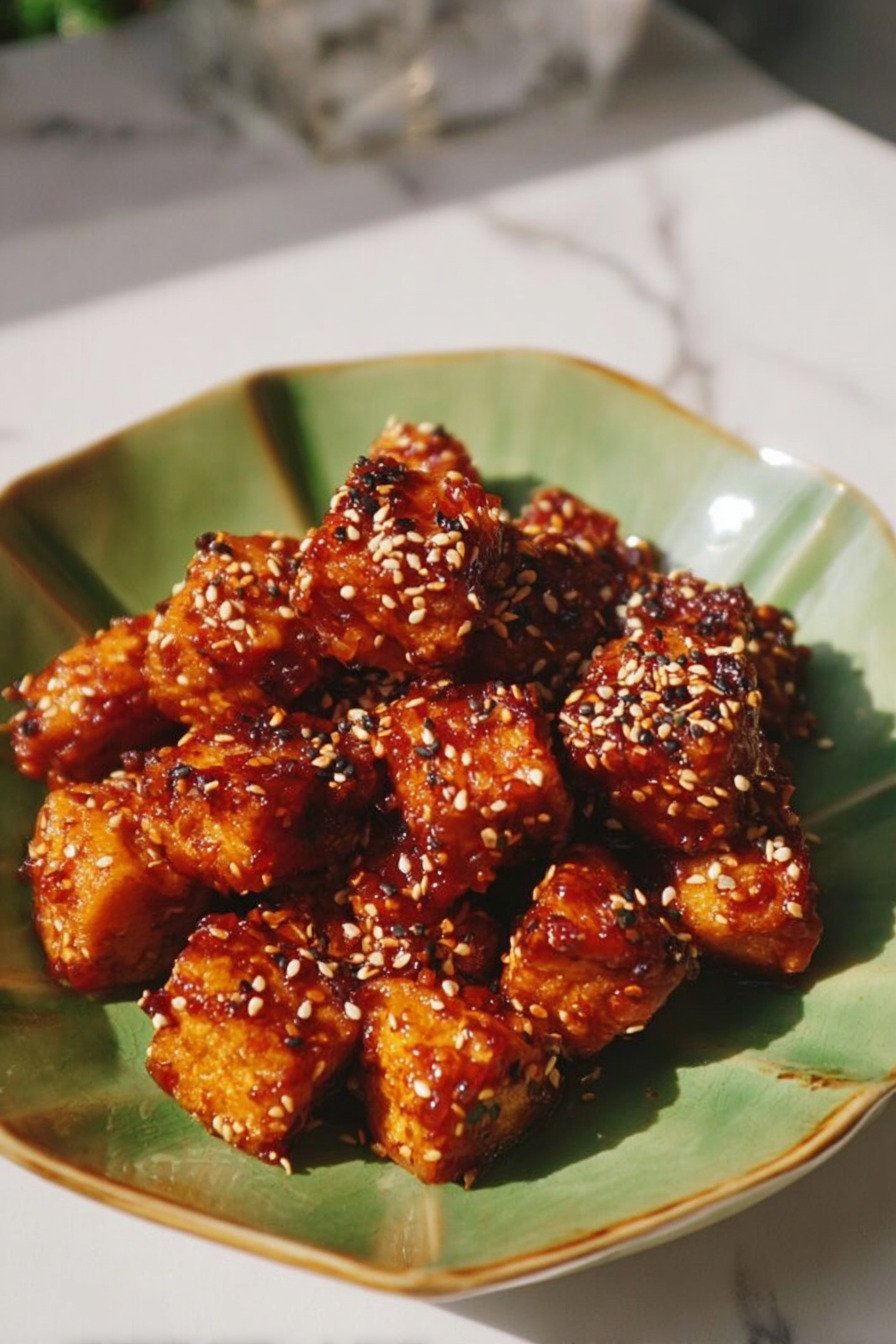
2) Easy Gochujang Tofu Recipe
I make this on nights when the clock runs fast. I press the tofu while I tidy the counter. I whisk the sauce while the pan warms. In the first lines I should say the phrase korean vegetarian recipes so you can find this page later. I will say korean vegetarian recipes again since many readers search that way. The flavor sits squarely in comfort. The texture feels light yet crisp. Steam rises and the smell tells you to get bowls ready. I try to wait. I usually fail and sneak a cube.
Readers ask me what makes it easy. The steps sit close together so your brain does not juggle. Press. Toss in cornstarch. Sear. Stir the sauce. Coat. Finish with fresh bits. That is the whole arc. The tofu stays tender. The crust gives that gentle crack as you bite. I grew up in a busy kitchen so I love recipes that flow like this. No fancy gear. No long rest. Just steady heat and a spoon.
For search and for clear context I add a few phrases that match how people think in the kitchen. You might look for tofu recipes when your fridge holds a block. You might search recipes with tofu when you plan a family spread. You might want a tofu asian recipe when you crave sweet heat. You might peek at chinese tofu recipes when you want a clean savory note. You may want simple tofu recipes or a tofu easy recipe when the day runs long. This dish meets all of those paths. It tastes bright. It cooks fast. It leaves you happy.
3) Ingredients for Gochujang Tofu
Firm tofu I pick a fourteen ounce block that holds shape when pressed. The curds feel tight and the water content stays low after a short press. This gives a better crust and keeps the center soft. I like the contrast. It feels right on a spoon with rice.
Cornstarch A light coat helps the surface turn crisp in the pan. The starch bonds with the tofu and forms a thin shell. That shell holds the sauce later. Think of it like a raincoat that still lets warmth in.
Neutral oil I use a small pour with a high smoke point. The oil should shimmer but not burn. The goal is even browning and clean flavor. A little goes a long way when the pan stays hot and the pieces have space.
Gochujang This paste brings deep chili flavor with a touch of sweet. It adds body to the sauce and a red glow that looks inviting. A spoon or two sets the heat level. Start small then taste and adjust.
Soy sauce A low sodium bottle gives control. It layers salt and umami without pushing the dish too far. The soy blends with the paste and rounds the edges of the heat. The color deepens as it cooks.
Rice vinegar A small splash lifts the sauce. It adds a clean tang that keeps the bites from feeling heavy. I like how it wakes up the garlic and ginger. The balance feels calm and steady.
Maple syrup A touch of maple or sugar brings gentle sweetness. It tames the chili and helps the sauce glaze. The shine looks great on the plate. The flavor reads warm not sticky.
Garlic and ginger Fresh cloves and grated root make the kitchen smell like dinner is close. They cook fast and give the sauce a bright pulse. I keep both on hand since they save many meals.
Sesame oil A few drops near the end add a nutty trail. The scent carries through the steam. The taste clings to each cube and lingers in a good way. Use a light hand for balance.
Scallions and sesame seeds Fresh slices and toasted seeds bring crunch and pop. The green color looks sharp over the red glaze. The seeds give little bursts that make each bite fun.
Cooked rice A warm bowl turns the tofu into a full plate. The grains soak up sauce and make a tidy meal. I like short grain for a soft chew though long grain works fine. Use what you love.
4) How to Make Gochujang Tofu
Step one press and prep Wrap the tofu in a clean towel and set a plate on top. Let it rest for ten minutes. Cut the block into neat cubes so they brown on every side. Set the pan on medium heat while you work.
Step two coat for crisp edges Place the cubes in a bowl. Dust with cornstarch and toss until each side looks lightly covered. The pieces should not clump. Shake off any extra starch so the pan stays tidy.
Step three sear in batches Add a small amount of oil to the hot pan. Lay in half the tofu so the pieces have space. Cook until golden then turn and repeat. Move the first batch to a plate. Sear the rest the same way.
Step four stir the sauce In a small bowl whisk gochujang soy rice vinegar maple garlic ginger a bit of water and a few drops of sesame oil. The sauce should look smooth and shiny. Taste and adjust salt or heat.
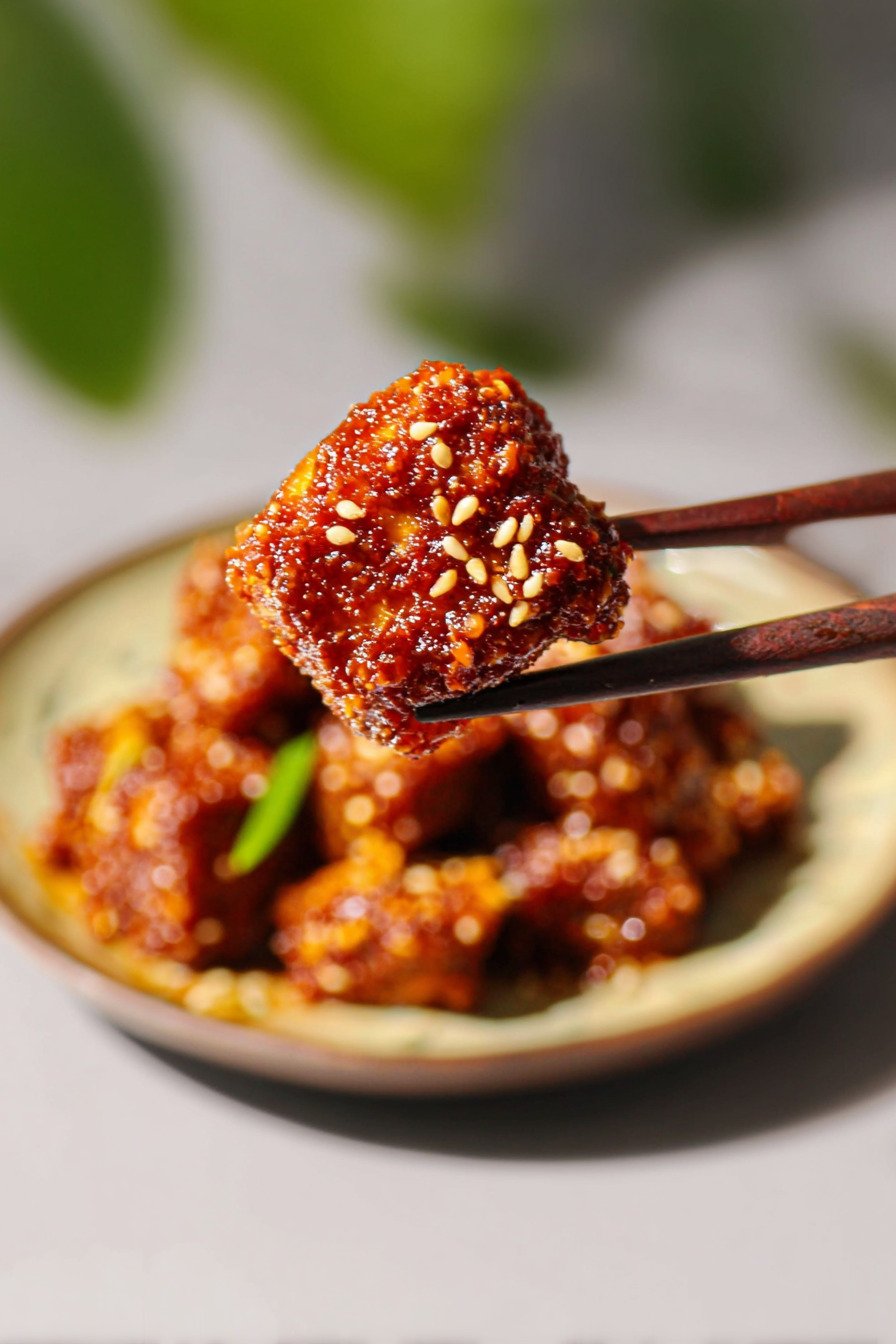
Step five glaze and finish Return all tofu to the pan over low heat. Pour the sauce over the cubes. Toss until the glaze clings and the pieces gleam. Sprinkle scallions and sesame. Spoon over warm rice. Breathe. Smile. Eat.
5) Tips for Making Gochujang Tofu
Space matters in the pan. Crowded cubes steam instead of sear. Work in two rounds if your skillet runs small. Heat matters as well. Medium heat gives time for color to build without smoke. If a piece sticks wait another breath. It will release when the crust forms.
Pressing pays off. Extra water leaves and the texture improves. The cornstarch grips better. The sauce stays glossy not soupy. Keep a bowl ready for snacking since the first crisp pieces call your name. I try to save them for the plate. I do not always win that fight.
Match the sauce to your mood. For soft heat use a light spoon of paste. For bright tang add a bit more vinegar. For a sweeter line add a touch more maple. The base recipe lives well inside korean vegetarian recipes and welcomes change. Serve with cucumber salad or steamed greens for fresh contrast. Leftovers make a great rice bowl at noon.
6) Making Gochujang Tofu Ahead of Time
I cook the tofu and keep the sauce in a jar when I know dinner will be late. The cubes cool on a rack so they stay crisp. The sauce rests in the fridge and thickens a bit. When I reheat I warm the pan and add a sip of water to loosen the glaze. The tofu returns to life with a gentle sizzle. The house smells like the first night again.
For meal prep I portion rice and tofu in containers and keep the scallions and sesame in a small cup. At lunch I warm the tofu and pour the sauce then add the fresh bits. The texture feels close to day one. This plan fits anyone building a week of korean vegetarian recipes since it stays steady and friendly in the fridge. It saves money and it saves stress.
You can freeze pressed cubes with no sauce for later use. Lay them on a tray until firm then move to a bag. Thaw in the fridge. Pat dry then coat with starch and cook as written. The texture shifts a little but the crust still forms and the sauce still shines. That small stash can rescue a tired evening.
7) Storing Leftover Gochujang Tofu
Leftovers keep well for three days in a covered container. I place rice and tofu in separate boxes so the grains stay light. When I warm the tofu I use a hot skillet not a microwave. The heat brings the crust back. A splash of water loosens the glaze and wakes the garlic and ginger. The cubes look glossy again.
If you pack lunch set the toppings aside. Add scallions and sesame right before you eat so they keep their snap. A wedge of lime or a spoon of quick pickles brings fresh lift. This method keeps the meal bright even after a night in the fridge. The dish still fits cleanly inside korean vegetarian recipes on day two and three which makes it a great plan for busy weeks.
For longer storage freeze plain cooked cubes without sauce and warm them in a pan later. Then glaze with a fresh batch. The flavor reads lively and the texture holds up. Label your container so you find it fast when hunger calls.
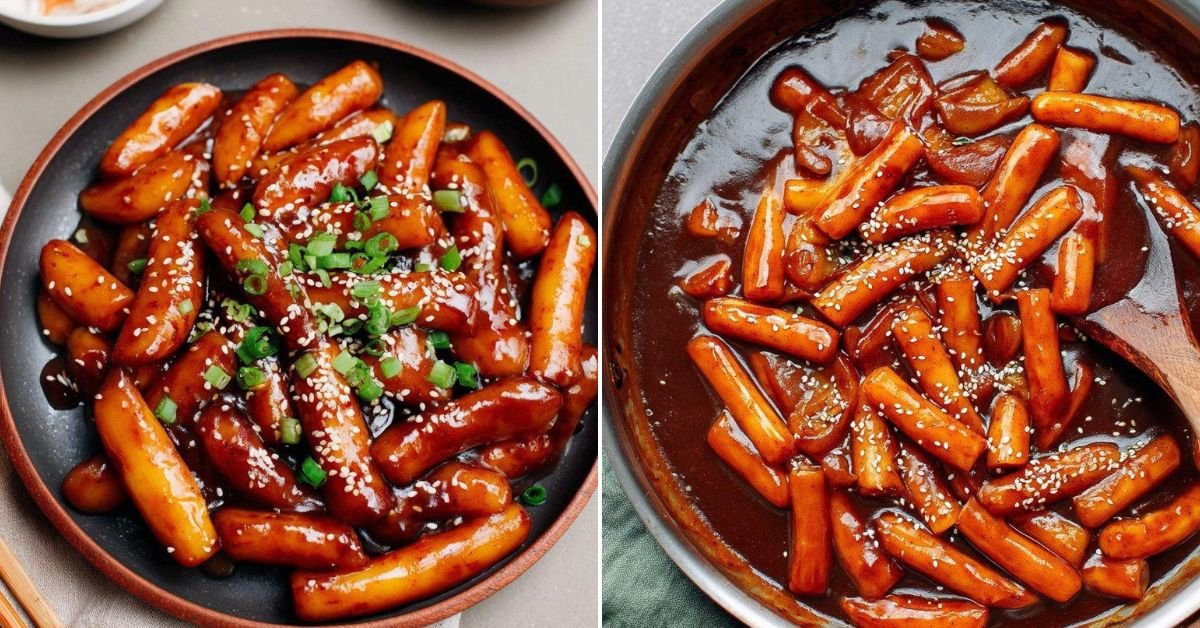
8) Try these Main Course next
9) Gochujang Tofu
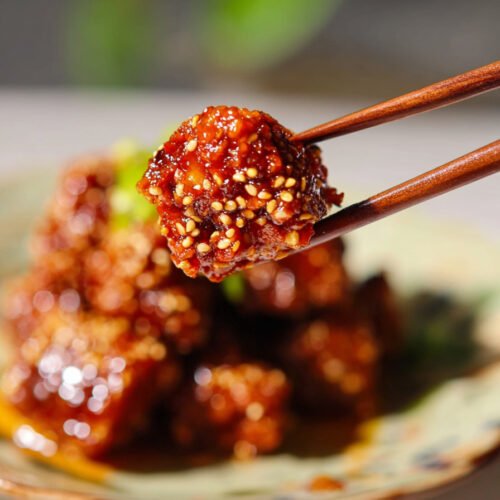
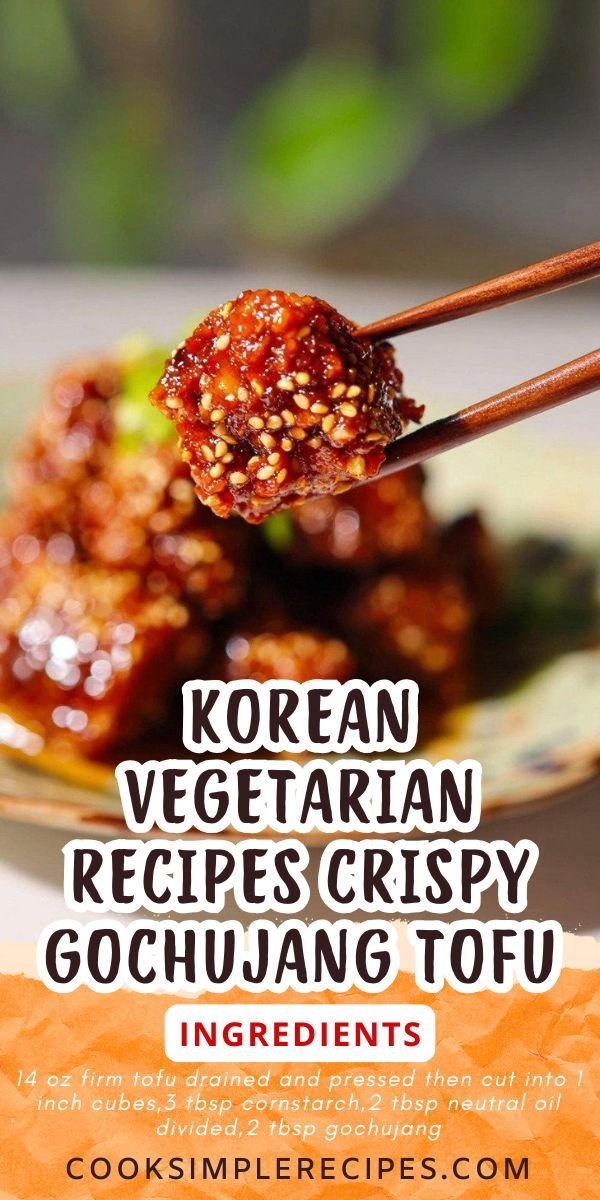
Korean Vegetarian Recipes Crispy Gochujang Tofu
Ingredients
- 14 oz firm tofu drained and pressed then cut into 1 inch cubes
- 3 tbsp cornstarch
- 2 tbsp neutral oil divided
- 2 tbsp gochujang
- 2 tbsp low sodium soy sauce
- 1 tbsp rice vinegar
- 1 tbsp maple syrup or sugar
- 2 cloves garlic minced
- 1 tsp grated fresh ginger
- 1 tsp sesame oil
- 2 tbsp water as needed to thin
- 2 scallions thinly sliced
- 1 tsp toasted sesame seeds
- Cooked rice for serving
Instructions
- Pat the tofu dry then press under a plate for ten minutes. Cut into cubes.
- Toss tofu with cornstarch until evenly coated.
- Heat one tbsp oil in a large skillet over medium heat. Add half the tofu. Cook until crisp and golden on all sides. Transfer to a plate and repeat with the remaining tofu and oil.
- Whisk gochujang soy sauce rice vinegar maple garlic ginger sesame oil and water.
- Reduce heat to low. Return all tofu to the pan. Pour in the sauce. Toss until the cubes look glossy and the sauce clings.
- Sprinkle with scallions and sesame. Serve hot over rice.
10) Nutrition
I like to know what sits in my bowl. A standard serving offers solid protein with no cholesterol. Fat stays moderate with most from plant sources. Carbs come mainly from rice if you plate it that way. Sodium depends on your soy sauce so taste as you go and choose a lower sodium bottle. Sugar stays light since the maple only helps the glaze. Fiber rises with extra greens on the side. That mix leaves you full but not heavy which I value on a busy night.
If you track numbers you can use these averages per serving. Calories land near three hundred sixty. Protein sits near eighteen grams. Carbs rest around twenty eight grams without rice. Fat sits close to eighteen grams with about two grams saturated. Sodium can reach eight hundred milligrams depending on your paste and soy. Fiber stays near two grams. Treat these as guides not rules. Real numbers change with brands and measuring style. Home cooking gives you that freedom and that joy.
For a lighter plate use cauliflower rice or a big salad under the tofu. For more energy use full bowls of short grain rice. Add steamed greens for extra vitamins and minerals. A small handful of roasted peanuts or cashews adds crunch and healthy fats. Eat with calm habits. Sip water. Pause between bites. Notice how warm food and simple steps make life easier. That is the heart of Cook Simple Recipes and the way I like to cook.





Leave a Comment